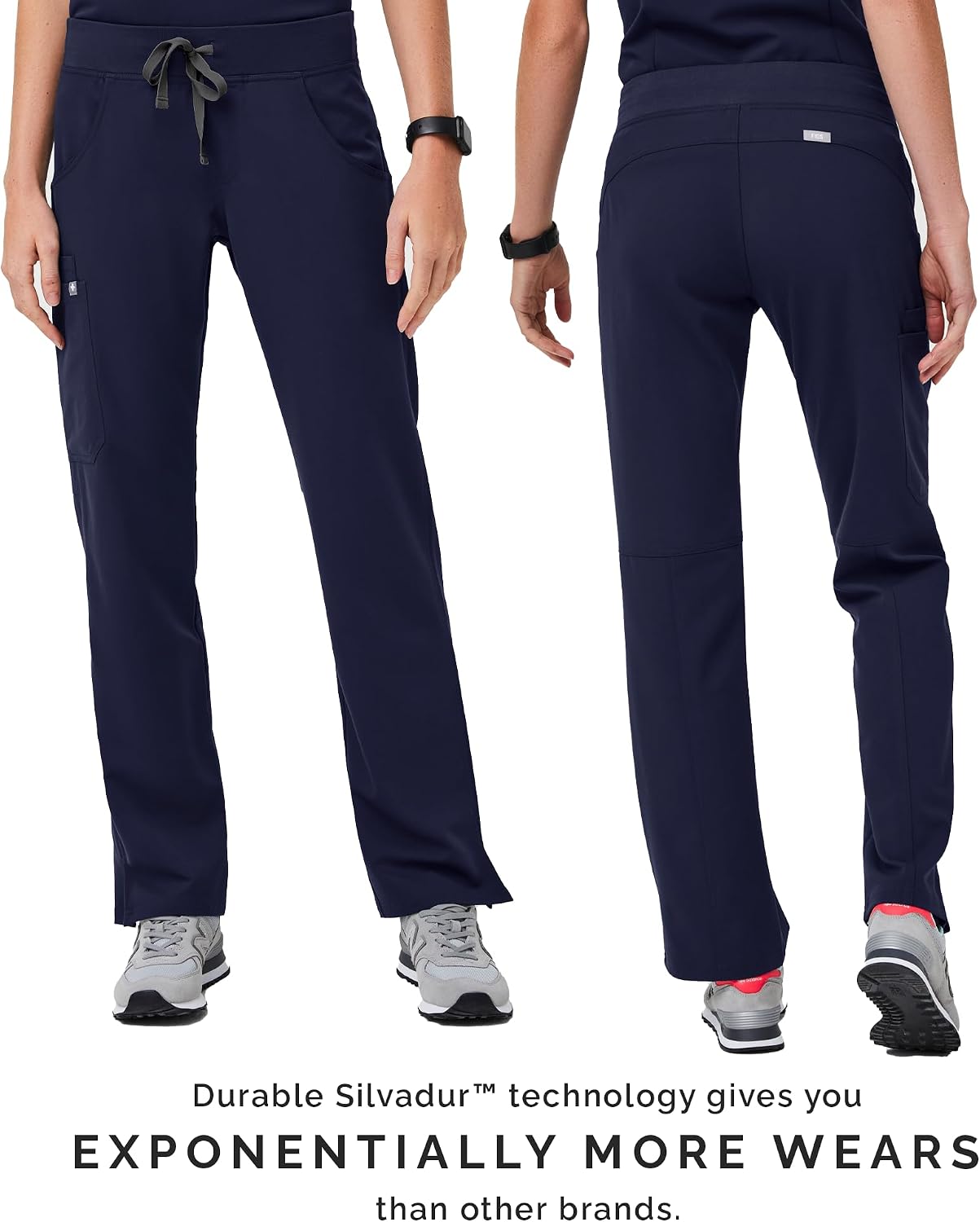
Scrubs are the uniform of nursing — the set of pants and a top, or a matching jacket-and-pant set, that a nurse wears through an entire shift. For a long time, scrubs were basically afterthoughts: boxy, fading, and bought in bulk from a hospital supply room. That changed over the last decade as nurse-focused brands started competing on actual fabric quality, tailored cuts, and functional pocket layouts. Now the market runs from budget basics under $20 a piece all the way to sets that cost more than $100. If you’re a floor nurse — meaning you’re on your feet on an inpatient unit, not behind a desk — what you wear genuinely affects how your body holds up over a 12-hour shift. This article breaks down whether the FIGS premium tier is worth the price over mid-range options like Cherokee Workwear, Grey’s Anatomy, or Dickies, and exactly when the upgrade makes financial and physical sense.
| EDITOR'S PICK[FIGS Cairo Cargo Scrub Pants fo](https://www.amazon.com/dp/B0D4RG374W?tag=greenflower20-20)… | Mid-tier[Cherokee Scrubs for Men Tapered](https://www.amazon.com/dp/B0785NH4Y5?tag=greenflower20-20)… | Budget pickCherokee Women's Medical Scrub… | |
|---|---|---|---|
| Pockets | 9 | 5 | — |
| Stretch | 4-Way | 2-Way | — |
| Leg Fit | Straight | Tapered | — |
| Closure | — | Drawstring | — |
| Model | Cairo Cargo | WW190 | CK605 |
| Price | $58.00 | $31.99 | $26.27 |
| See on Amazon → | See on Amazon → | See on Amazon → |
What You’re Actually Paying For at Each Price Point
The honest answer is that scrub pricing correlates pretty reliably with three things: fabric blend quality, construction details, and fit architecture — meaning whether the cut was engineered around how a body actually moves during clinical work, or just sewn boxy to fit more sizes.
Budget Tier: Cherokee Workwear and Dickies ($15–$30 per piece)
Budget scrubs typically use a cotton-polyester blend — often around 55% cotton / 45% polyester — which is breathable but prone to pilling after 30–40 washes and tends to hold odor longer than synthetic moisture-wicking alternatives. Pocket depth is functional but not optimized. Good Housekeeping’s 2025 “Best Scrubs for Nurses” roundup notes that Cherokee remains a best-in-class budget recommendation precisely because the cut is predictable and the sizing is consistent for a mass-market fit. For nurses still figuring out their color and style preferences in year one, this tier is the sensible starting point.
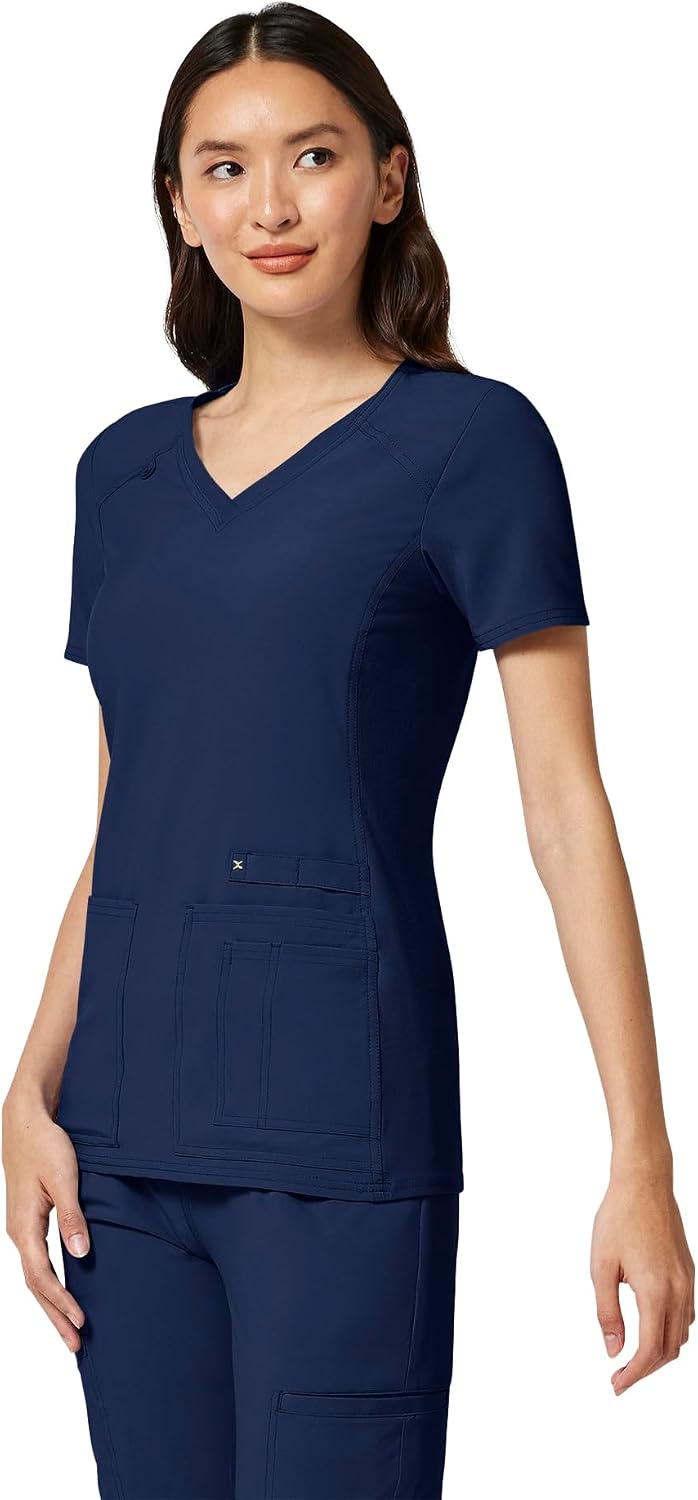
Cherokee
$26.27
In stock on Amazon
Check price on AmazonMid-Range Tier: Grey’s Anatomy, Healing Hands, Cherokee Revolution ($40–$70 per piece)
These brands shifted toward four-way stretch fabrics — meaning the material stretches in all directions, not just along the weave — which is a real improvement for nurses who crouch, reach overhead, or pivot frequently. The stitching at stress points (crotch seam, pocket corners) is visibly better. Self.com’s 2025 “The Best Nursing Scrubs, According to Nurses” guide consistently highlights Grey’s Anatomy as the value sweet spot for nurses who want performance fabric without the FIGS price. This tier also leads on size-range variety: Cherokee and Healing Hands offer petite, tall, and plus-size cuts across most of their lines, which matters for nurses whose bodies don’t fit a slim-tapered athletic cut.
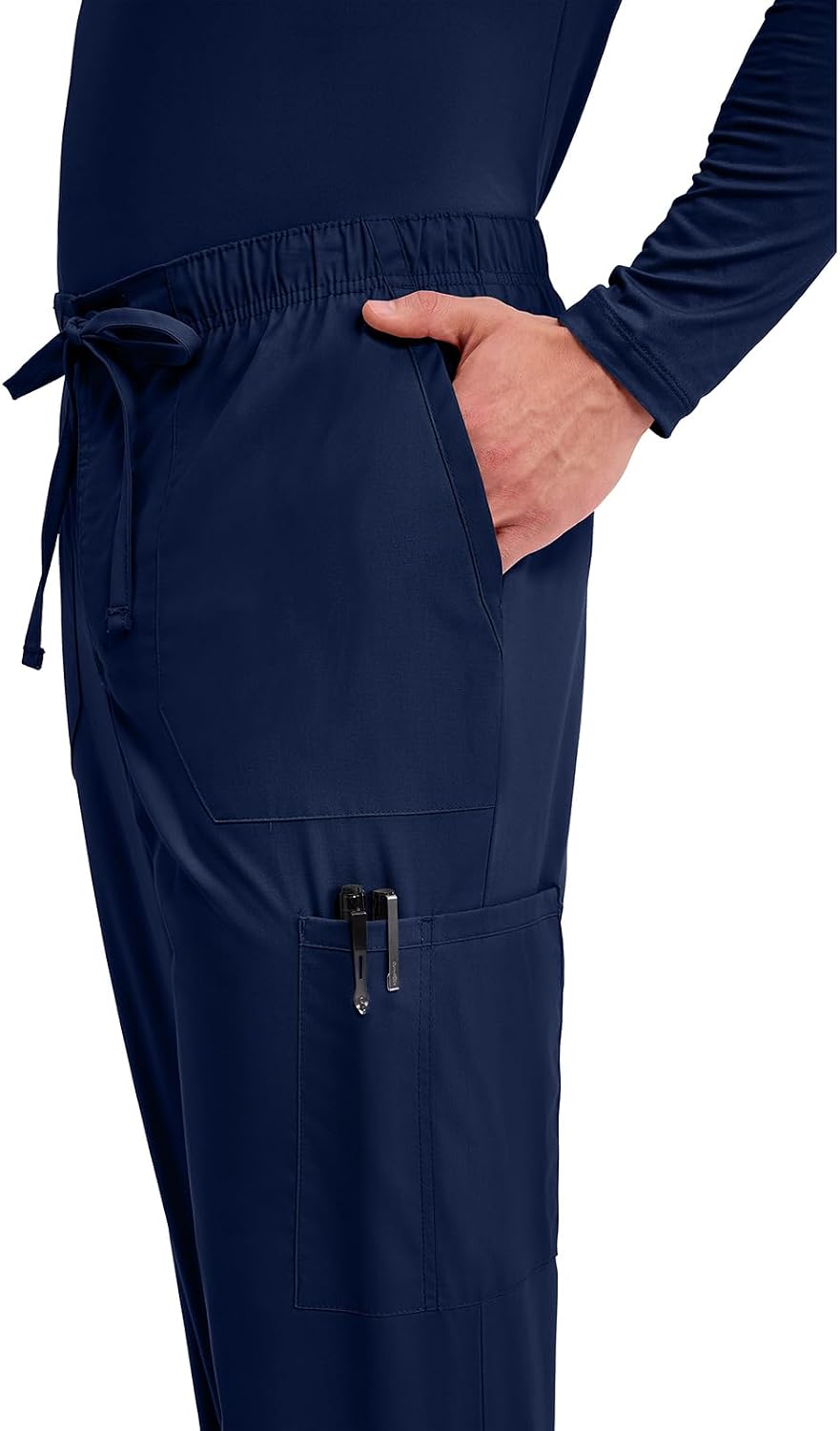
Cherokee
$31.99
In stock on Amazon
Check price on AmazonPremium Tier: FIGS ($80–$130 per piece)
FIGS sits at the top alongside Jaanuu and Medelita. FIGS’ flagship fabric in the Catarina and Rafaela lines is a proprietary recycled polyester-spandex blend — high stretch, moisture-wicking, and antimicrobial-treated. The fit is styled closer to athletic wear: tapered through the leg, darted at the back of the waistband, with side slits sized for reach rather than decoration. Wirecutter’s “The Best Scrubs” guide (updated 2025, The New York Times Wirecutter) identifies the premium polyester-spandex construction as the clearest performance differentiator at this tier, particularly for nurses who experience significant friction-zone wear in cotton-blend alternatives.
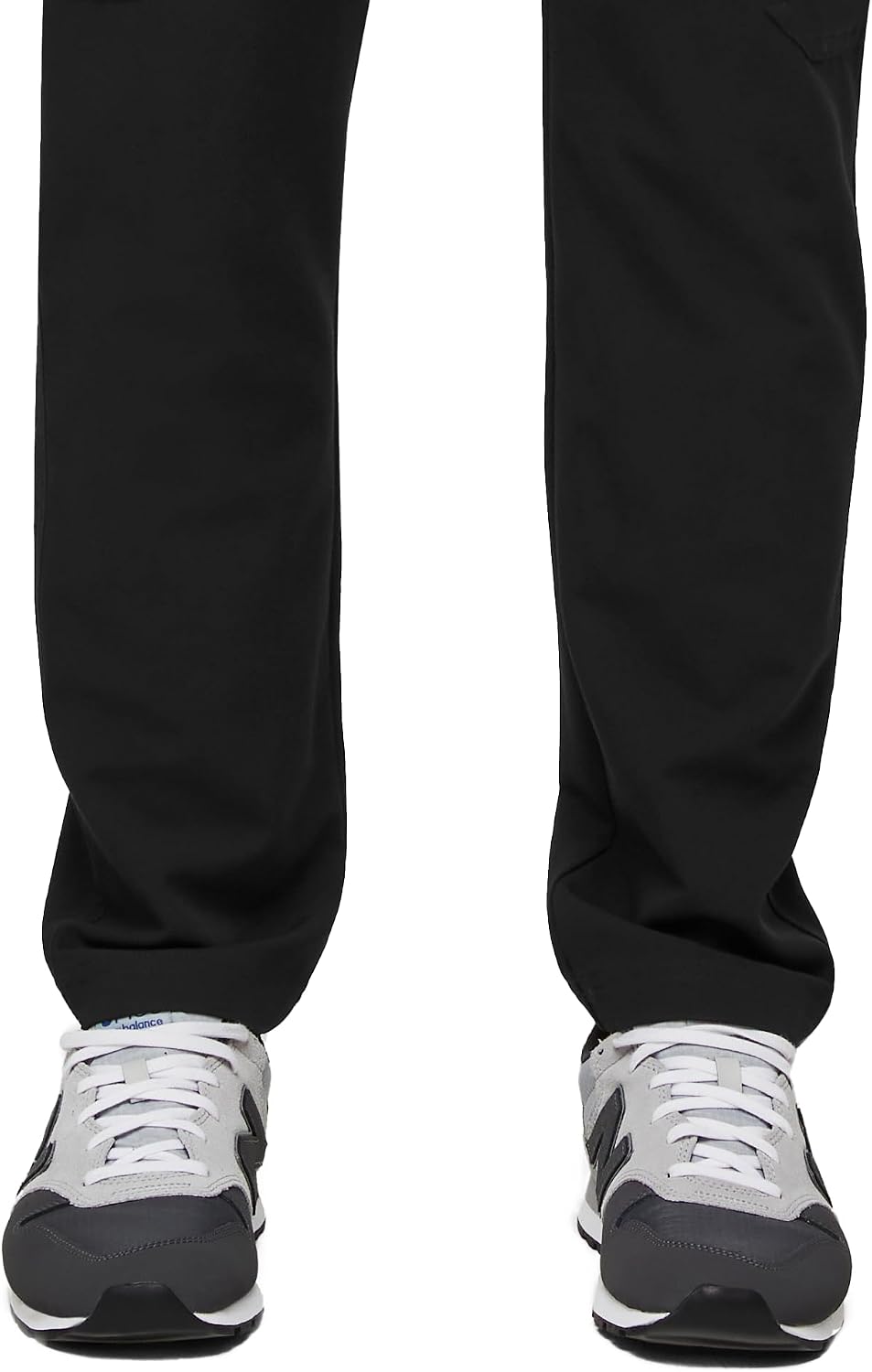
FIGS
$58.00
In stock on Amazon
Check price on AmazonFabric and Price at a Glance
| Brand | Approx. Price Per Set | Primary Fabric | Stretch | Avg. Wash Durability |
|---|---|---|---|---|
| Cherokee Workwear | $30–$45 | 55% cotton / 45% poly | 2-way | 40–60 washes before noticeable fade |
| Grey’s Anatomy | $75–$105 | Polyester-spandex blend | 4-way | 80–100 washes, minimal pilling |
| FIGS Rafaela | $115–$145 | Recycled poly-spandex | 4-way | 100+ washes; strong color retention |
(Set pricing reflects top + pant. Figures are May 2026 market rates.)
The Real Durability Question: Pilling, Shrink, and Color After a Year of Shifts
This is where the comparison gets genuinely useful for someone deciding whether to spend the extra $70–$80 per set.
Pilling happens when fabric fibers break loose and tangle into small balls on the surface — the most common complaint in long-run owner reviews of budget and mid-range scrubs. Wirecutter’s “The Best Scrubs” (The New York Times Wirecutter, updated 2025) notes that cotton-heavy blends pill noticeably faster, particularly at friction points like the inner thigh and the bag-strap contact zone on the shoulder. FIGS’ recycled polyester construction is specifically engineered to resist this — the fiber is tighter and less prone to surface breakage. Owners consistently report that FIGS sets look nearly new at 18 months of regular use, where a Cherokee equivalent at the same wash frequency shows visible pilling by month six.
Shrink is the other chronic scrub problem. Cotton blends shrink, and they shrink unevenly — tops and bottoms bought as a set stop matching after six months because they respond to heat differently. If your facility uses an industrial laundry service, common in large hospital systems, this compounds fast. Polyester-spandex blends like FIGS’ fabric are essentially shrink-resistant. Women’s Health Magazine’s 2024 “Best Scrubs That Are Actually Comfortable” comparison noted this as one of the primary reasons experienced floor nurses migrate toward synthetic-blend scrubs as they accumulate shift years.
Color retention matters more than it sounds. Many units carry implicit dress codes around color — psych units where staff are expected to look approachable, or L&D floors where pastels are the norm. A set that grays out or fades to a different shade than your team’s within six months becomes a hidden replacement cost. Across aggregated owner reports, FIGS users describe stronger color retention through triple-digit wash cycles compared to Cherokee or mid-range Dickies alternatives.
The replacement math: A Cherokee set at $35 that degrades noticeably by wash 50, replaced twice a year, costs roughly $70 per year. A FIGS set at $130 that maintains appearance through 100-plus washes and lasts 18–24 months costs approximately $65–$87 per year on the same usage frequency. The premium pays for itself — but only if you wear and wash scrubs at the volume a floor nurse typically does, which is almost universally true in inpatient settings.
Fit Architecture: What “Tailored” Actually Means on a 12-Hour Shift
The most underrated variable in scrub performance is cut. A 12-hour shift means roughly 10,000–15,000 steps — the American Nurses Association’s Healthy Nurse, Healthy Nation initiative at nursingworld.org cites floor nurses averaging that range in its physical health documentation — plus sustained bending, reaching, and sitting that a standard boxy uniform was never designed to accommodate.
The waistband problem: Budget scrubs use a simple elastic drawstring waist. It works, but elastic waistbands roll under compression vests, ride up during overhead reaches, and bunch under lead aprons in radiology or hybrid OR settings. FIGS uses a wide, structured waistband with a flat internal drawcord and a back yoke — a sewn contour at the back of the waistband that follows the lumbar curve instead of sitting flat. Owners consistently describe this as the single biggest comfort difference on long shifts.
Pocket depth and placement: A floor nurse’s pocket is a functional workspace. The stethoscope needs to stay put when you bend forward. The pen light needs to be accessible one-handed. Budget scrubs typically offer two side pockets sized for a phone and a few pens. Grey’s Anatomy improves on this with a dedicated cargo pocket and a front zippered pocket that owners rate highly for security during patient transfers. FIGS Rafaela and Catarina sets offer a cargo patch pocket, a back patch pocket, and a dedicated pen slot — all with pen-depth sizing confirmed in FIGS’ published product specifications.
Fit across body types: This is where mid-range brands hold a clear advantage. Cherokee and Healing Hands offer petite, tall, and plus-size cuts across most of their lines. FIGS has expanded its size range — as of May 2026, published size charts run XS through 3XL with petite and tall options in major styles — but owner reviews consistently note that the slim-tapered cut runs narrow through the thigh. For nurses who find athletic-tapered cuts restrictive, Grey’s Anatomy’s looser straight-leg cut in a four-way stretch fabric may be the smarter buy regardless of what the FIGS fabric spec says on paper.
Specialty floor nuance: Psych and behavioral health units often restrict drawstrings, lanyard attachments, and pocket hardware that could function as a ligature risk. On those floors, fit architecture matters differently — fewer hard closures and more secure pocket flaps take priority over silhouette. Your unit’s dress code should drive the decision before brand does. ICU nurses, by contrast, often prefer a slimmer cut — less fabric to snag on IV lines and tubing, and a more streamlined appearance that reads professional to family members at the bedside.
When to Upgrade and When to Hold
Here’s the decision frame this article is actually building toward.
If you’re in your first year on the floor: Hold at mid-range. Grey’s Anatomy or Cherokee Revolution at $40–$60 per piece lets you figure out which colors your unit actually requires, whether you prefer a jogger-leg or straight-leg cut, and how your body responds to a full shift before you commit to a premium wardrobe.
If you’re 12–24 months in and replacing a worn-out wardrobe: This is the right window for the FIGS upgrade. You know your fit preferences. You know your floor’s color requirements. You know whether you run hot and need moisture-wicking or whether you’re in an over-air-conditioned ICU and prioritize thermal comfort. Make the investment once, with confirmed fit, rather than replacing mid-range sets on an 18-month cycle.
If you’re a travel nurse: Premium scrubs make strong cost-per-use sense specifically because you’re crossing facility cultures and dress codes regularly. A FIGS set in a neutral color — navy, ceil blue, or black — reads professional across almost any setting and holds up through the compressed-timeline laundry cycles that come with 13-week assignments. Self.com’s 2025 “The Best Nursing Scrubs, According to Nurses” specifically identifies the travel nurse use case as one where the durability premium pays off fastest.
If you run warm or work in procedural areas with fluid exposure: FIGS’ moisture-wicking polyester blend outperforms cotton alternatives in both contexts. Owners consistently note sustained dryness through high-exertion shifts. For OR, ED, and procedural floors where fluid splash is a regular event, the polyester construction also dries faster and resists saturation better than cotton-heavy options.
If fit is the primary concern and standard tailored cuts don’t work for your body: Mid-range brands offer more cut variety. A Grey’s Anatomy set in a four-way stretch that actually fits comfortably will outperform a premium FIGS set that gaps at the waistband or binds at the thigh on every single shift, regardless of what the fabric spec delivers on paper.
The Bottom Line
FIGS wins on fabric longevity, color retention, moisture management, and fit architecture — for nurses whose bodies fit the slim-tapered cut and who are far enough into their careers to know what they need. Mid-range brands, particularly Grey’s Anatomy and Cherokee Revolution, win on size-range variety, price accessibility for building out a new wardrobe, and the budget flexibility that matters most in your first 12 months on the floor.
Run the math on your own replacement cycle. If you’re buying two new mid-range sets a year at $40–$60 each, you’re approaching FIGS pricing territory while getting a shorter fabric life. If you’re not yet sure of your preferences, wait. If you know exactly what you need and you’re ready to stop replacing worn-out scrubs every eight months, the premium upgrade is genuinely worth it.